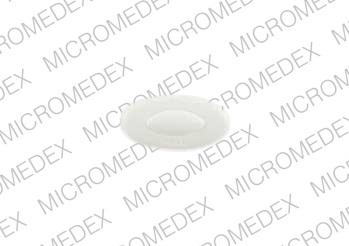
Coreg
Generic name: carvedilol [ KAR-ve-dil-ole ]
Brand names: Coreg, Coreg CR
Drug class: Non-cardioselective beta blockers
What is Coreg?
Coreg is a beta-blocker. Beta-blockers affect the heart and circulation (blood flow through arteries and veins).
Coreg is used to treat heart failure and hypertension (high blood pressure).
Coreg is also used after a heart attack that has caused your heart not to pump as well.
Warnings
You should not take Coreg if you have asthma, bronchitis, emphysema, severe liver disease, or a serious heart condition such as heart block, "sick sinus syndrome," or slow heart rate (unless you have a pacemaker).
Avoid drinking alcohol within 2 hours before or after taking extended-release Coreg CR capsules. Also avoid taking medicines or other products that might contain alcohol. Alcohol may cause the carvedilol in the controlled release (CR) capsule to be released too quickly into the body.
If you are being treated for high blood pressure, keep using Coreg even if you feel well. High blood pressure often has no symptoms. You may need to use blood pressure medication for the rest of your l
Before taking this medicine
You should not take Coreg if you are allergic to carvedilol, or if you have:
-
asthma, bronchitis, emphysema;
-
severe liver disease; or
-
a serious heart condition such as severe heart failure, heart block, "sick sinus syndrome," or slow heart rate (unless you have a pacemaker).
To make sure Coreg is safe for you, tell your doctor if you have:
-
coronary artery disease (clogged arteries);
-
slow heartbeats that have caused you to faint;
-
asthma or other lung problems;
-
angina (chest pain);
-
diabetes (taking carvedilol can make it harder for you to tell when you have low blood sugar);
-
a thyroid disorder;
-
kidney disease;
-
circulation problems (such as Raynaud's syndrome); or
-
pheochromocytoma (tumor of the adrenal gland).
Tell your doctor if you are pregnant or breastfeeding.
Coreg is not approved for use by anyone younger than 18 years old.
How should I take Coreg?
Take Coreg exactly as prescribed by your doctor. Follow all directions on your prescription label and read all medication guides or instruction sheets. Your doctor may occasionally change your dose.
Coreg works best if you take it with food, at the same time every day.
Swallow the extended-release capsule whole and do not crush, chew, break, or open it.
If you cannot swallow a capsule whole, open it and sprinkle the medicine into a spoonful of cold applesauce. Swallow the mixture right away without chewing. Do not save it for later use.
If you are switched from the tablets to Coreg CR extended-release capsules, your daily total dose of this medicine may be higher or lower than before. Older adults may be more likely to become dizzy or feel faint when switching from tablets to extended-release capsules. Follow your doctor's instructions.
Your blood pressure will need to be checked often.
If you need surgery (including cataract surgery), tell your surgeon you currently use this medicine. You may need to stop for a short time.
You should not stop using Coreg suddenly. Stopping suddenly may cause chest pain or a heart attack. Follow your doctor's instructions about tapering your dose.
If you are being treated for high blood pressure, keep using this medication even if you feel well. High blood pressure often has no symptoms. You may need to use blood pressure medication for the rest of your life.
Coreg is only part of a complete treatment program that may also include diet, exercise, and weight control. Follow your doctor's instructions very closely.
Store at room temperature away from moisture and heat.
What happens if I miss a dose?
Take the medicine as soon as you can, but skip the missed dose if it is almost time for your next dose. Do not take two doses at one time.
What happens if I overdose?
Seek emergency medical attention or call the Poison Help line at 1-800-222-1222.
Overdose symptoms may include uneven heartbeats, shortness of breath, bluish-colored fingernails, dizziness, weakness, fainting, and seizure (convulsions).
What to avoid
Avoid driving or hazardous activity until you know how this medicine will affect you. Your reactions could be impaired. Avoid getting up too fast from a sitting or lying position, or you may feel dizzy.
Coreg side effects
Get emergency medical help if you have signs of an allergic reaction to Coreg: hives; difficulty breathing; swelling of your face, lips, tongue, or throat.
Call your doctor at once if you have:
-
a light-headed feeling, like you might pass out;
-
slow or uneven heartbeats;
-
cold feeling or numbness in your fingers or toes;
-
chest pain, dry cough, wheezing, chest tightness;
-
heart problems - swelling, rapid weight gain, feeling short of breath; or
-
high blood sugar - increased thirst, increased urination, dry mouth, fruity breath odor.
Common Coreg side effects may include:
-
dizziness;
-
slow heartbeats;
-
weight gain;
-
dry eyes; or
-
problems wearing contact lenses.
This is not a complete list of side effects and others may occur. Call your doctor for medical advice about side effects. You may report side effects to FDA at 1-800-FDA-1088.
What other drugs will affect Coreg?
Sometimes it is not safe to use certain medications at the same time. Some drugs can affect your blood levels of other drugs you take, which may increase side effects or make the medications less effective.
Other drugs may interact with carvedilol, including prescription and over-the-counter medicines, vitamins, and herbal products. Tell your doctor about all your current medicines and any medicine you start or stop using.
More about Coreg (carvedilol)
- Check interactions
- Compare alternatives
- Pricing & coupons
- Reviews (44)
- Drug images
- Side effects
- Dosage information
- During pregnancy
- Generic availability
- Support group
- Drug class: non-cardioselective beta blockers
- Breastfeeding
- En español
Professional resources
Other formulations
Related treatment guides
Further information
Remember, keep this and all other medicines out of the reach of children, never share your medicines with others, and use Coreg only for the indication prescribed.
Always consult your healthcare provider to ensure the information displayed on this page applies to your personal circumstances.
Copyright 1996-2024 Cerner Multum, Inc. Version: 16.01.